Welcome to the Ancient Roman Art Page Box!
Here's your guide to what's inside the box, along with links to the lesson plans, videos, slideshows, project guides, and interactive activities. We can't wait to see what your students create!
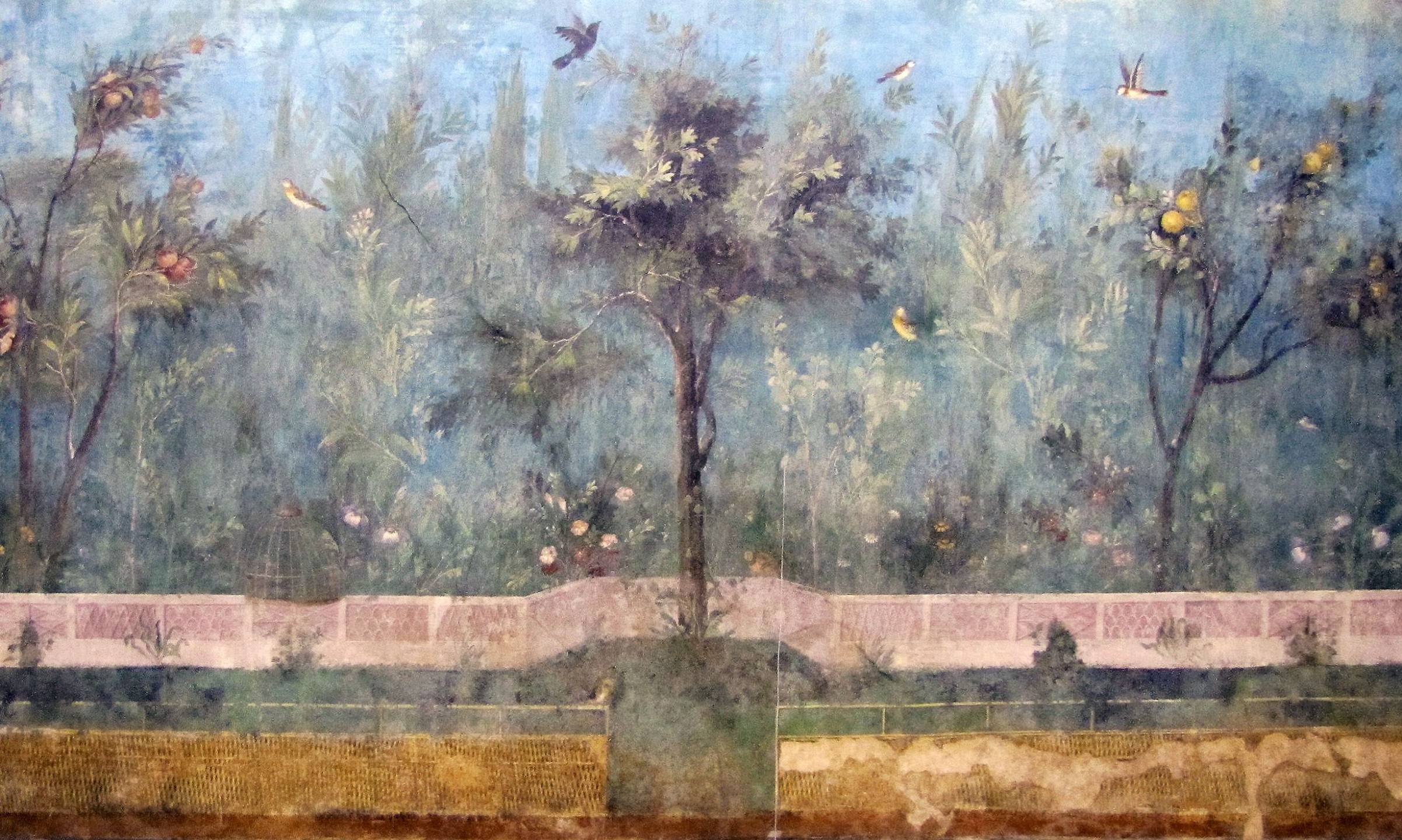
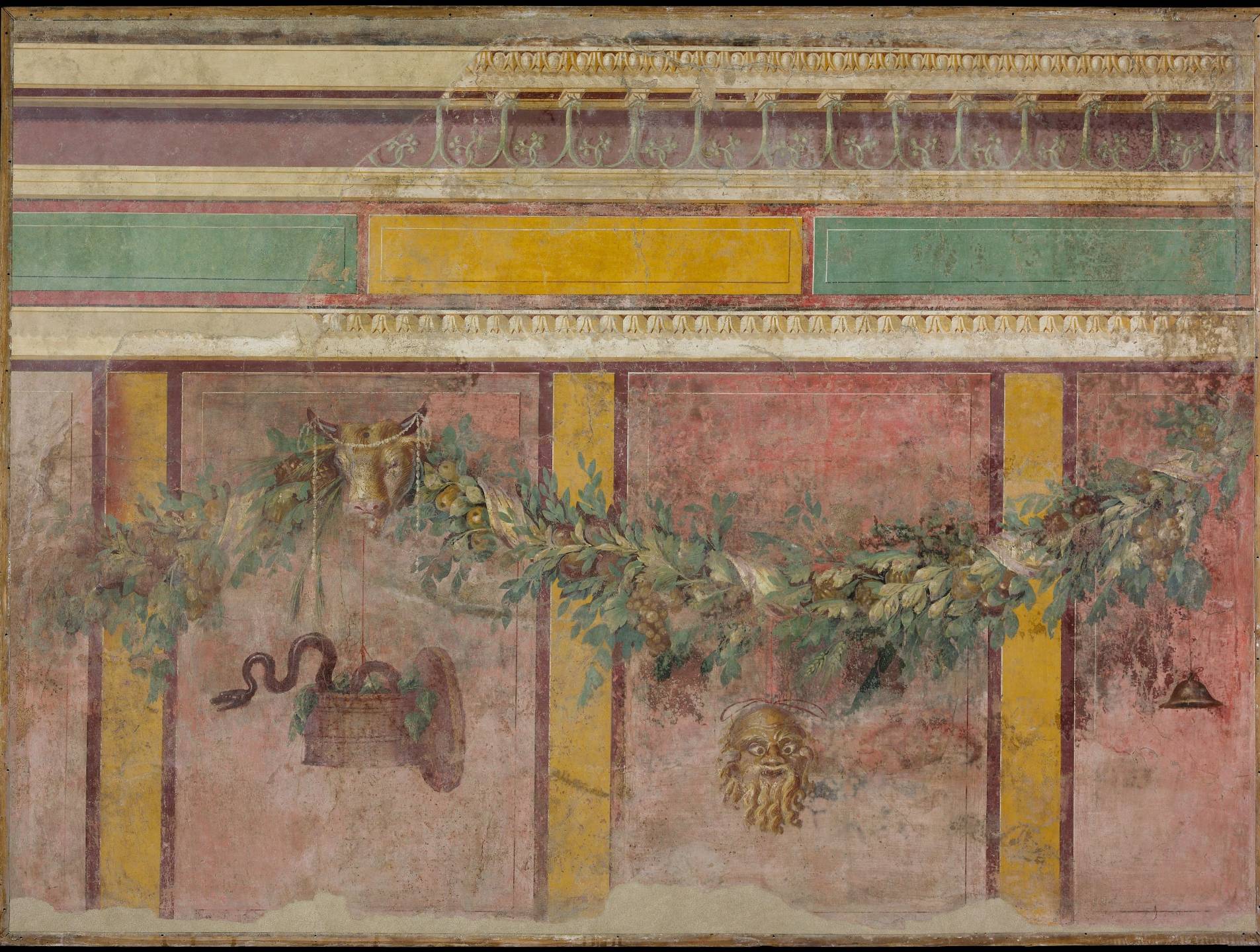
Ancient Roman art was everywhere: on coins jingling in someone's pocket, on the walls of a fancy villa, under people's feet in mosaic floors, and even on the columns holding up entire buildings. Romans loved realism, especially when it came to portraits, they wanted their busts and coins to look exactly like them, wrinkles, scars, and all, not some perfect, idealized version. They also borrowed a ton from the Greeks, then made it their own, like taking the column and stripping it down into the sturdy, no-fuss Tuscan order. Mosaics and frescoes turned ordinary walls and floors into scenes bursting with gods, animals, and everyday life, using clever tricks of light and shadow to make flat surfaces look like they had real depth. For kids, Roman art is a fun way to see how an entire civilization used pictures to tell stories, honor real people, and jazz up their everyday spaces.
THE PROJECTS
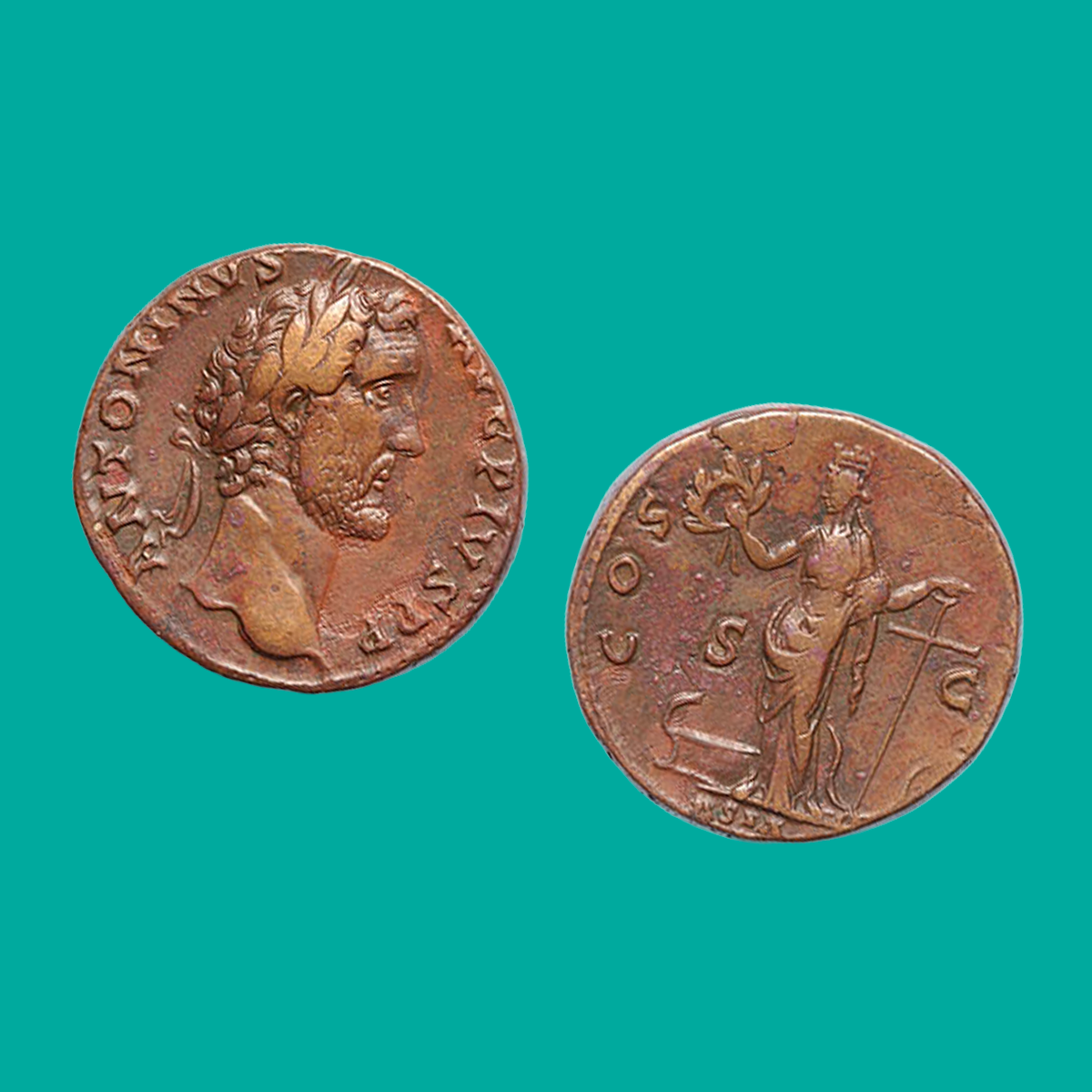
ANCIENT
COINS
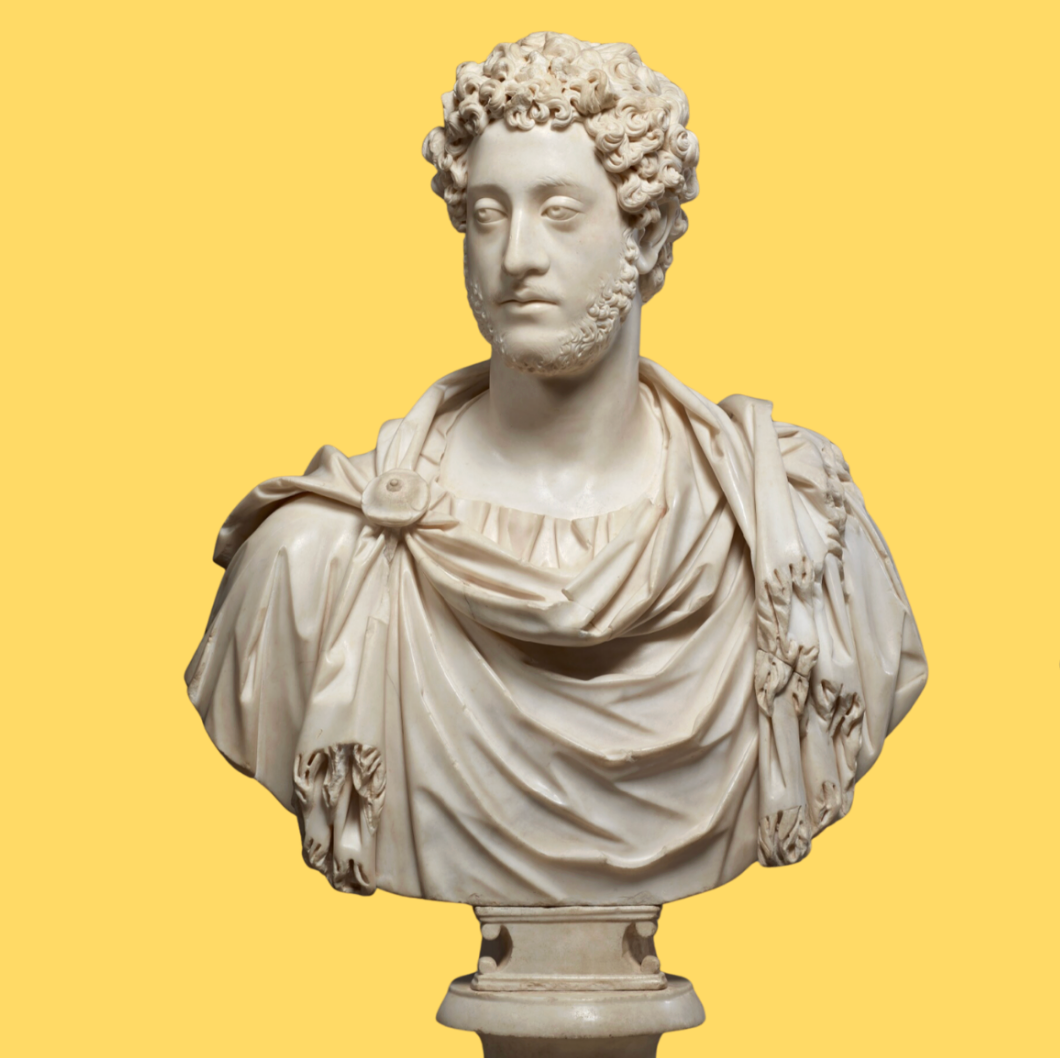
ROMAN
BUSTS
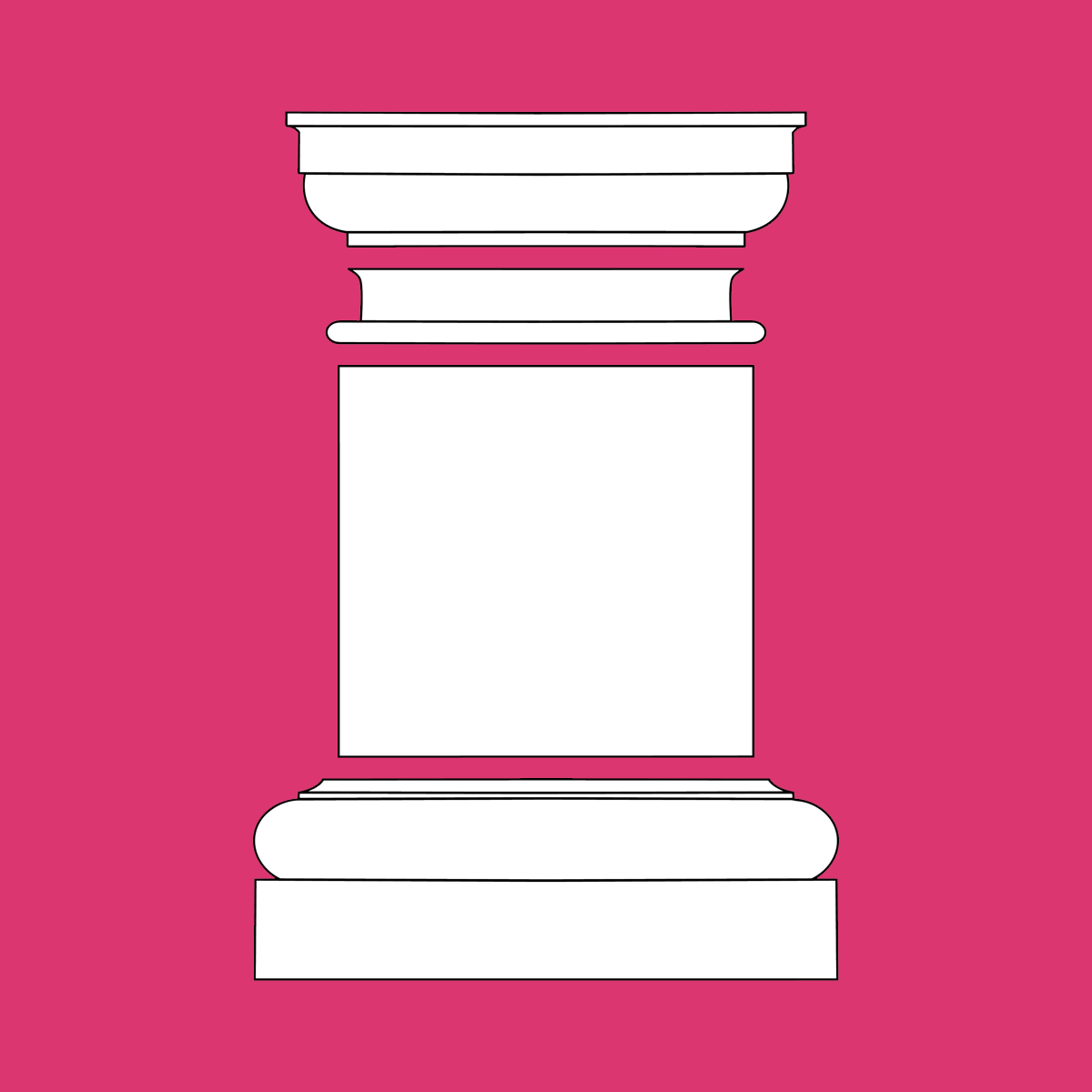
TUSCAN
COLUMNS
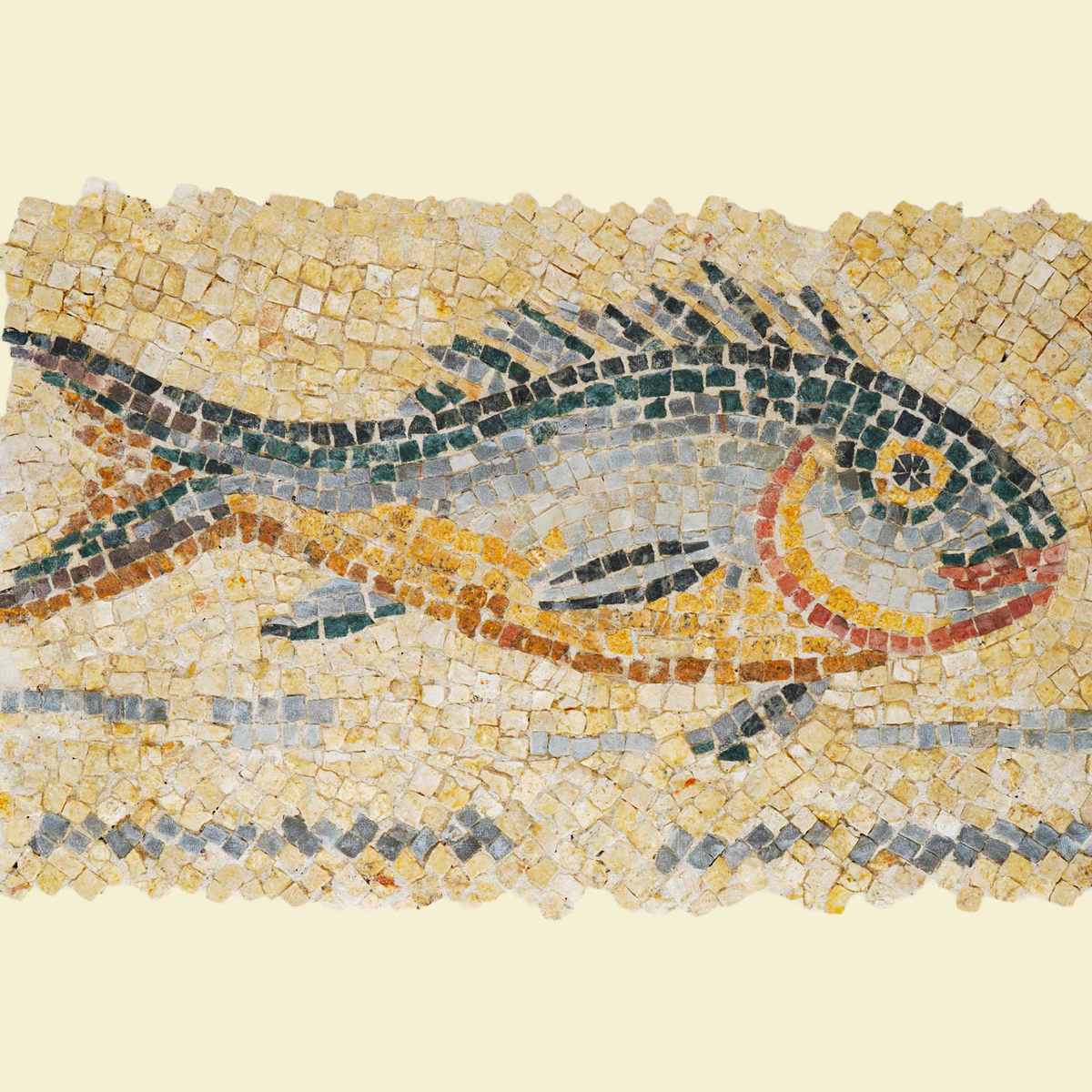
ROMAN
MOSAICS
Students discover how ancient Roman coins carried portraits of emperors, images of gods, and symbols of victories to every corner of the empire, making them one of the earliest forms of mass communication. Students then design their own coins, choosing something worth commemorating and working out how to tell that story in a small round space. This project encourages symbolic thinking and an understanding of how Roman artists used everyday objects to spread images of power and belief.
Lesson Plan | Deck
Students explore how ancient Roman sculptors used portrait busts for honoring ancestors and recording history with striking honesty. Students will design their own bust, thinking through the person they want to portray, sketching the head and shoulders and using shadowing with pastels to build a sense of depth and form. This project encourages observational thinking, graphic design basics, and an understanding of how Roman artists valued realism as a way of preserving memory.
Lesson Plan | Deck
Students discover how ancient Roman architects relied on the Tuscan order, a simplified, sturdy column style adapted from the Greeks, to hold up everything from temples to marketplaces. Students then design their own Tuscan column with a simple capital to display their Roman bust. This project encourages an understanding of proportion and structure, an introduction to architectural basics, and an understanding of how Roman builders balanced strength and simplicity in their designs.
Lesson Plan | Deck
Students explore how ancient Roman artists built mosaics out of tiny colored pieces called tesserae, arranging them into patterns and images that could turn an ordinary floor into a work of art. Students will choose one of four mosaic designs, then fill it in using precut paper squares, cutting pieces into smaller shapes or angles as needed to fit rounded or irregular edges. This project encourages spatial planning, fine motor control, and an understanding of how Roman artists built large, detailed images out of many pieces.
Lesson Plan | Deck
Looking Closely
Explore the blog links below for engaging discussion prompts inspired by three additional masterpieces from Ancient Rome.