
Welcome to the Pop Art Page Box!
Here's your guide to what's inside the box, along with links to the lesson plans, videos, slideshows, project guides, and interactive activities. We can't wait to see what your students create!
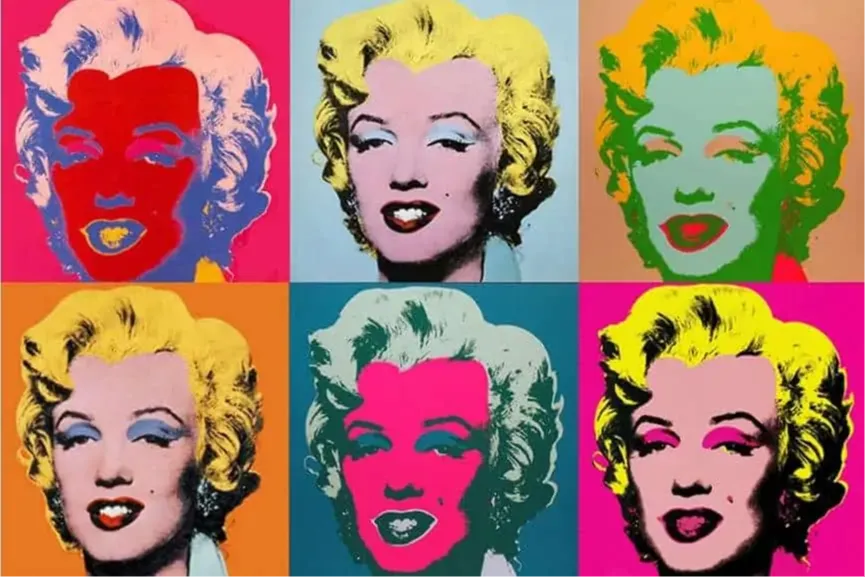
Pop Art is one of the most exciting and accessible art movements to bring into the elementary classroom. Emerging in the 1950s and reaching its height in the 1960s, Pop Art challenged traditional ideas about what "fine art" could be by drawing inspiration from everyday life—advertising, comic books, grocery store shelves, and popular culture. Artists like Andy Warhol, Roy Lichtenstein, Claes Oldenburg, and Wayne Thiebaud transformed ordinary objects such as soup cans, comic strips, oversized food sculptures, and bakery displays into bold, colorful works that blurred the line between "high art" and the world around us.
For K–5 students, Pop Art is a natural fit: it celebrates the familiar, invites playful experimentation with bright colors and strong graphic elements, and opens the door to rich conversations about creativity, consumerism, and how art connects to the things we see and use every day. Whether students are exploring repetition and pattern, experimenting with bold outlines and primary color palettes, or building three-dimensional sculptures inspired by their favorite foods, Pop Art empowers young artists to see that art isn't something far away in a museum, it's all around them, waiting to be reimagined.
THE PROJECTS

WAYNE THIEBAUD:
PIES! PIES! PIES!

ANDY WARHOL
CAMPBELL'S SOUP

CLAES OLDENBURG
ICE CREAM SUNDAES

ROY LICHTENSTEIN
POP ART POPCORN
Students study Wayne Thiebaud's mouthwatering paintings of bakery cases and dessert displays, paying close attention to how he used soft pastel colors to make his subjects almost jump off the canvas. Inspired by his love of repetition and arrangement, students create their own pie artwork using a layered texture technique. This project invites students to explore how color, value, and composition can make a simple subject feel irresistible, while connecting to Thiebaud's belief that the everyday things we often overlook can become the most delightful works of art.
Lesson Plan | Deck
Students discover how Andy Warhol turned a simple Campbell's soup can into one of the most iconic images in modern art, then put their own creative spin on the concept by designing a completely original soup label. Students dream up imaginative flavors, design bold, eye-catching labels, and then transform their flat artwork into a three-dimensional paper can they can display. This project encourages inventive thinking, graphic design basics, and an understanding of how Pop Art artists used familiar commercial products as a starting point for expression.
Lesson Plan | Deck
Students explore Claes Oldenburg's playful approach to sculpture inspired by his bold reimagining of familiar foods. Students design and build their own ice cream sundae sculptures using air dry clay, shaping scoops and toppings by hand. Through rolling, molding, and layering, students discover how three-dimensional form and color choices can turn something as simple as a dessert into a compelling work of art. This project supports fine motor development, creative problem-solving, and an understanding of how Pop Art artists found beauty and humor in the ordinary.
Lesson Plan | Deck
Students dive into Roy Lichtenstein's signature style by exploring how he used bold outlines, primary colors, and Ben-Day dots to transform comic-inspired imagery into fine art. Using Q-tips and paint, students create their own dot-painted popcorn bucket designs, building color and pattern one dot at a time. This hands-on technique helps students understand how small, repeated marks can come together to create a vibrant, unified image. The project builds patience and focus while reinforcing concepts of pattern, color theory, and the Pop Art idea that art can be graphic, bold, and fun.
Lesson Plan | Deck
Looking Closely
Explore the blog links below for engaging discussion prompts inspired by three additional Pop Art masterpieces.


