
Welcome to the Isabella Stewart Gardner Museum Heist Page Box!
Here's your guide to what's inside the box, along with links to the lesson plans, videos, slideshows, project guides, and interactive activities. We can't wait to see what your students create!
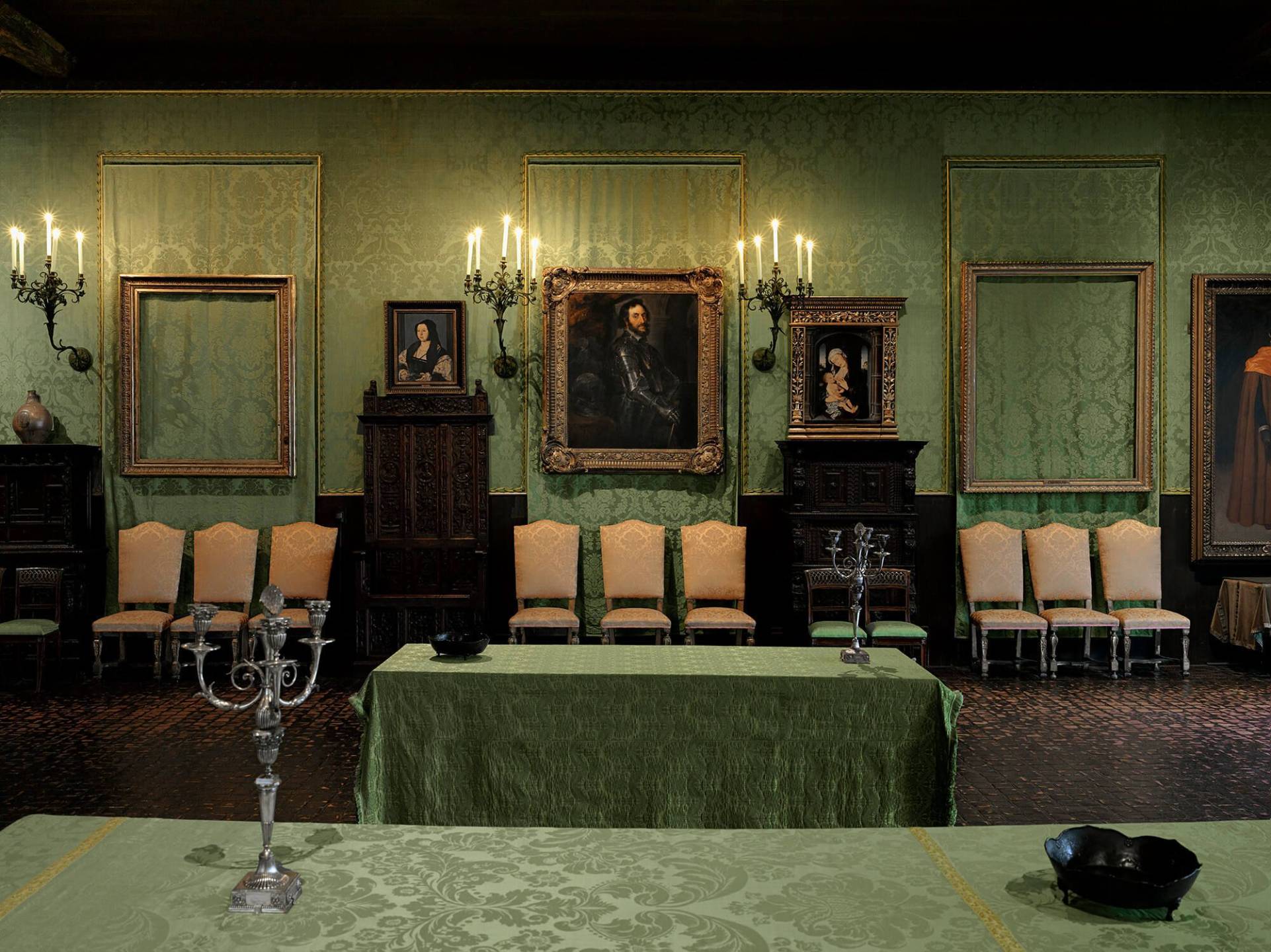
In the early hours of March 18, 1990, two men dressed as police officers rang the buzzer at the Isabella Stewart Gardner Museum in Boston and said they had come to check on a disturbance. The guard on duty broke the rules and let them in. The thieves led both guards to the basement, handcuffed them, and headed upstairs to the galleries.
In the Dutch Room, they cut two Rembrandt paintings from their frames, including his only seascape, The Storm on the Sea of Galilee. They took Vermeer's The Concert, a landscape by Govaert Flinck, a tiny Rembrandt self-portrait, and an ancient Chinese bronze beaker. Down the hall, they grabbed five works by Edgar Degas and a bronze eagle that once topped a Napoleonic flag. On the first floor, they took Manet's Chez Tortoni and left its frame behind. At 2:45 in the morning, the thieves carried 13 works of art to their car in two trips and drove away. The guards stayed handcuffed until police arrived at 8:15.
More than 35 years later, nobody has solved the case. The museum still works with the FBI to bring the art home, still offers a reward for information, and still hangs the empty frames on its walls, waiting.
In our Gardner Heist Box, kids step into the mystery through four of the missing masterpieces. They build a Degas racehorse with legs that gallop, imagine where Manet's café gentleman went after the heist, stack paper waves into Rembrandt's storm, and sneak through the dark museum with a flashlight to find Vermeer's The Concert. Every project starts with a real stolen painting and ends with a piece of art kids can hold in their hands.
THE PROJECTS
CHEZ
TORTONI
STORM ON THE
SEA OF GALILEE
THE
CONCERT
LEAVING THE
PADDOCK
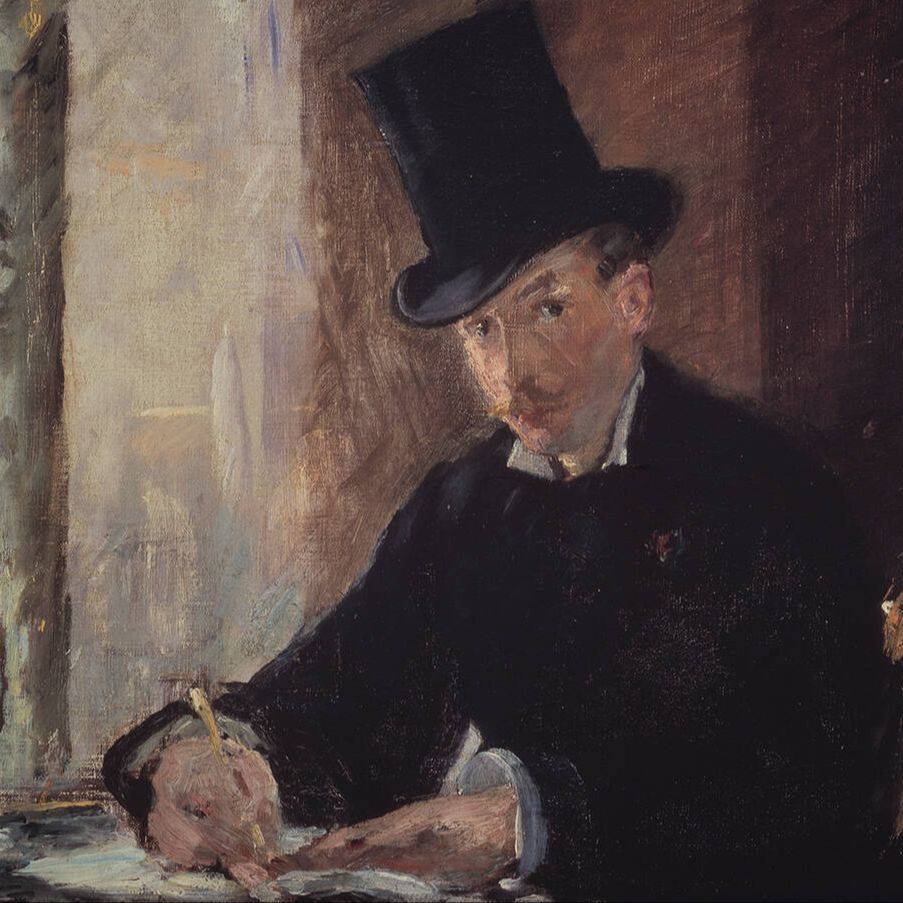
Students explore Édouard Manet's Chez Tortoni, a small painting of a man in a black top hat sitting at a Paris café. Manet loved painting everyday life in modern Paris, and this quiet café moment is a perfect example. Since the painting has been missing for more than 30 years, students imagine where the man went after the heist and draw him a brand-new setting with a hat to match. They cut out his silhouette and tape their new scene over the original, so lifting the flap sends him back to the café and lowering it drops him into his new adventure. This project encourages imaginative storytelling and an understanding of how setting changes the mood of a portrait.
Lesson Plan | Deck
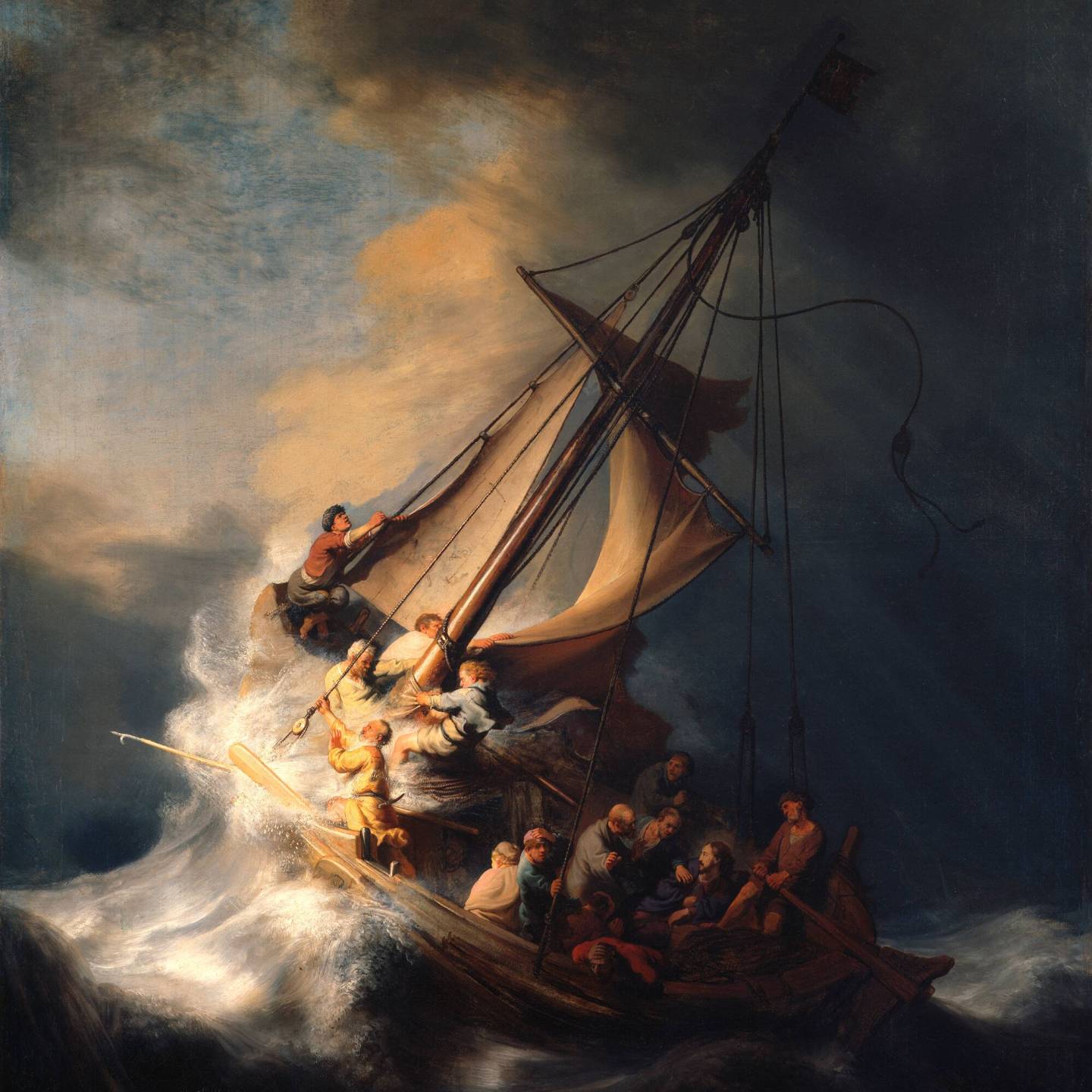
Rembrandt's The Storm on the Sea of Galilee is his only seascape and one of the most famous paintings stolen from the Isabella Stewart Gardner Museum in 1990. Rembrandt placed bright lightnext to deep shadow, a technique called chiaroscuro, to make the crashing waves. Students cut wild waves from three shades of blue paper, stack them from tallest to shortest, and rub white chalk along each edge to create whitecaps and sea spray. This project supports an understanding of layering and depth and an introduction to how artists use contrast to create drama.
Lesson Plan | Deck
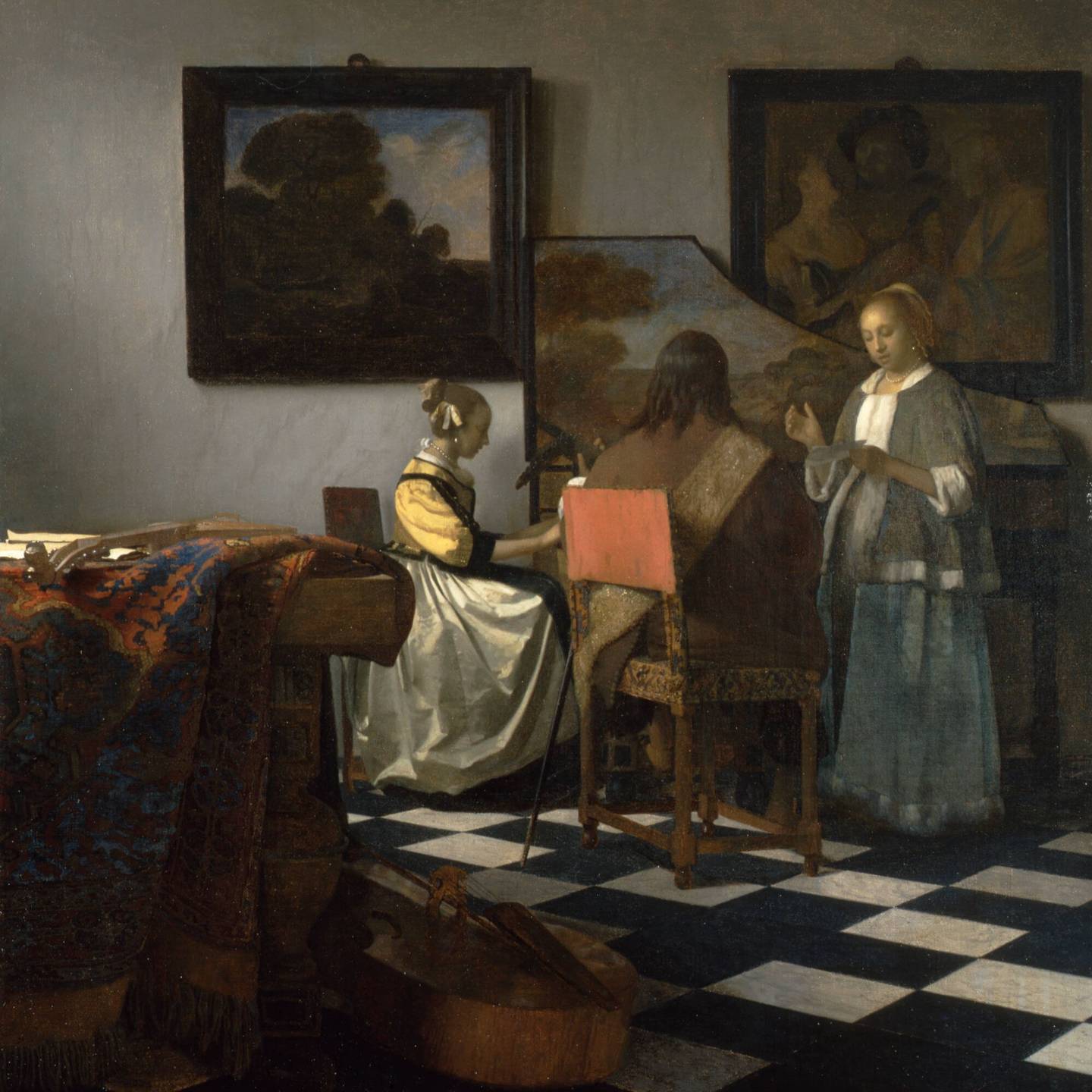
Johannes Vermeer's The Concert is a quiet scene of three musicians and one of the most valuable paintings still missing from the 1990 Isabella Stewart Gardner Museum heist. Vermeer was a master of light, and he painted only about 35 pictures that we know of, so each one is precious. Students trace a drawing of the Gardner gallery and The Concert onto a clear plastic page then slide black cardstock behind it to plunge the museum into darkness. Next, they use a paper flashlight to slide its white beam behind the tracing, lighting up the gallery as if they were sneaking through the museum at night.
Lesson Plan | Deck
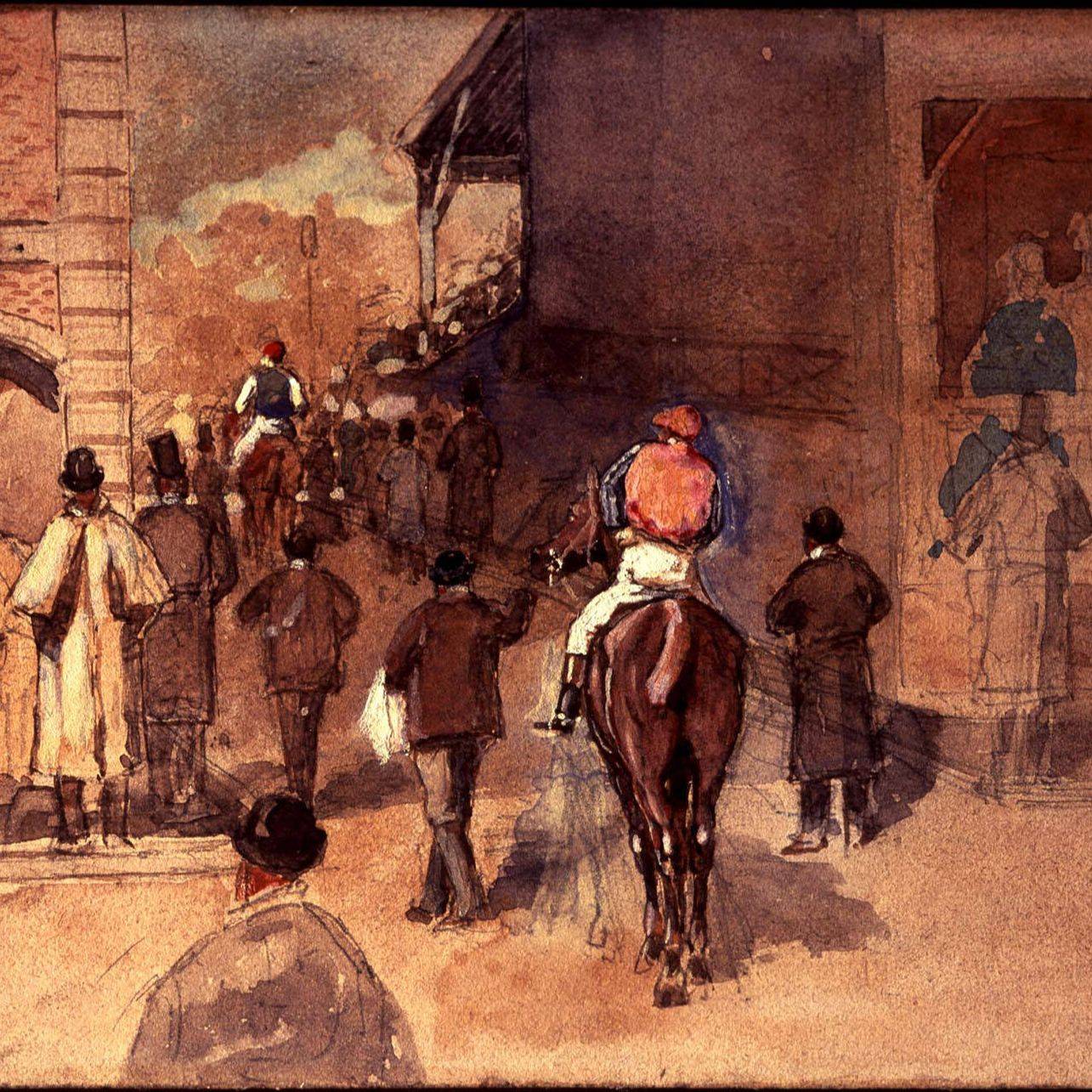
Five of Edgar Degas's works on paper disappeared in the 1990 Isabella Stewart Gardner Museum heist, including drawings of horses and their riders. Students learn how Eadweard Muybridge's photographs of a galloping horse changed the way Degas drew legs in motion. Students then color and cut out their own racehorse, attach its legs with brads so they swing, and loop five pieces of yarn into a ten-strand tail. This project supports fine motor control and an understanding of how new technology like photography changed the way artists saw the world.
Lesson Plan | Deck
