Welcome to the Northern Renaissance Page Box!
Here's your guide to what's inside the box, along with links to the lesson plans, videos, slideshows, project guides, and interactive activities. We can't wait to see what your students create!
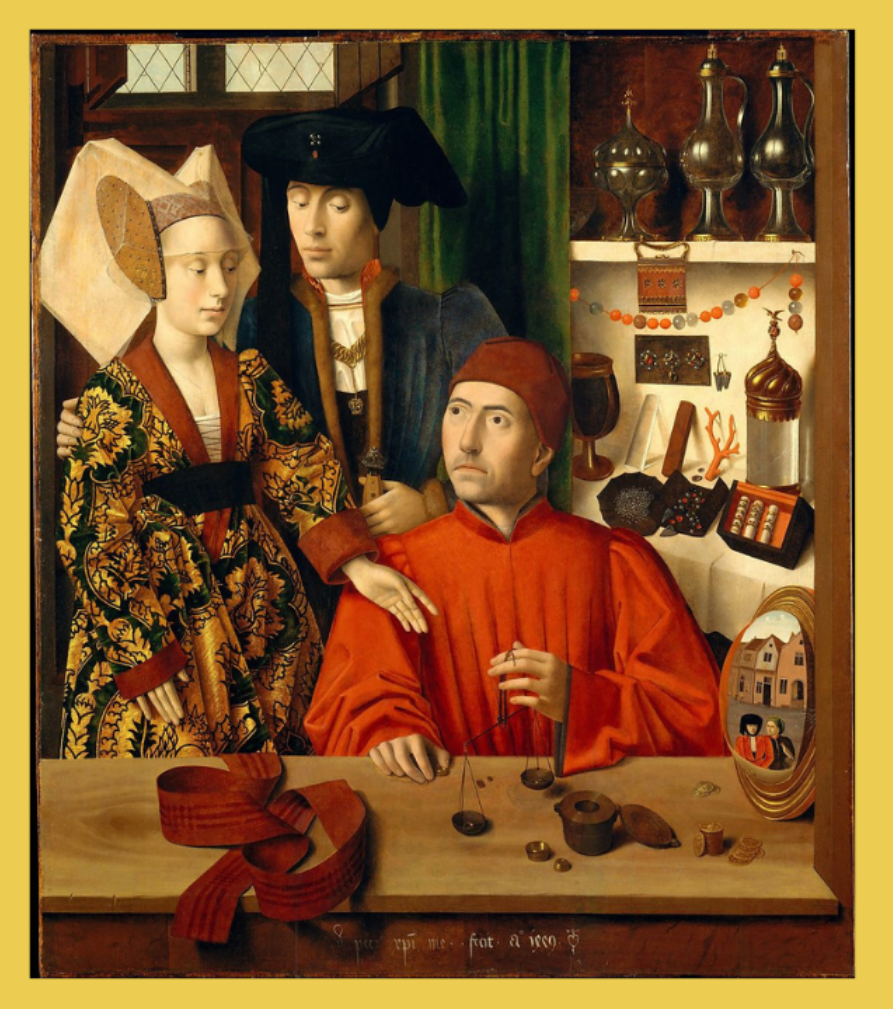
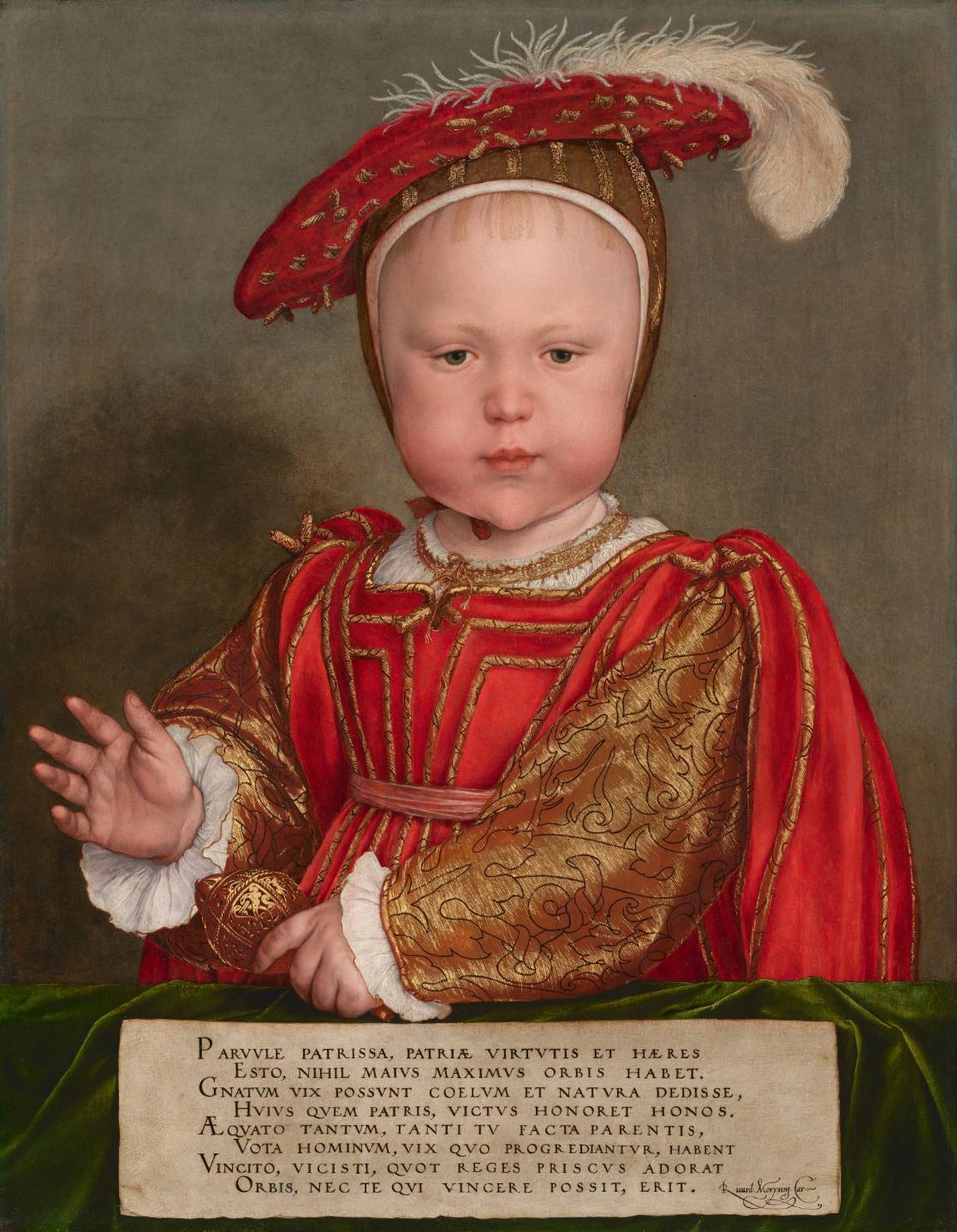
The Northern Renaissance was happening at the same time as the Renaissance in Italy, but artists north of the Alps, in places like Flanders, Germany, and the Netherlands, were doing their own thing! Instead of chasing perfect proportions and idealized bodies like their Italian counterparts, Northern artists obsessed over tiny, precise details, the exact texture of fur, the glint of light on metal, the wrinkles in a piece of fabric, painted with such care it's easy to forget you're looking at a flat panel. Oil paint became their signature tool, letting artists build up layers of rich color and razor-sharp detail in a way that tempera paint never could. Northern artists also loved packing their paintings with hidden symbols, a certain object or animal might carry a secret religious or moral meaning that viewers at the time would have picked up on instantly. For kids, the Northern Renaissance is a great chance to slow down and really look, since so much of the fun is in spotting the small details other people might miss.
THE PROJECTS
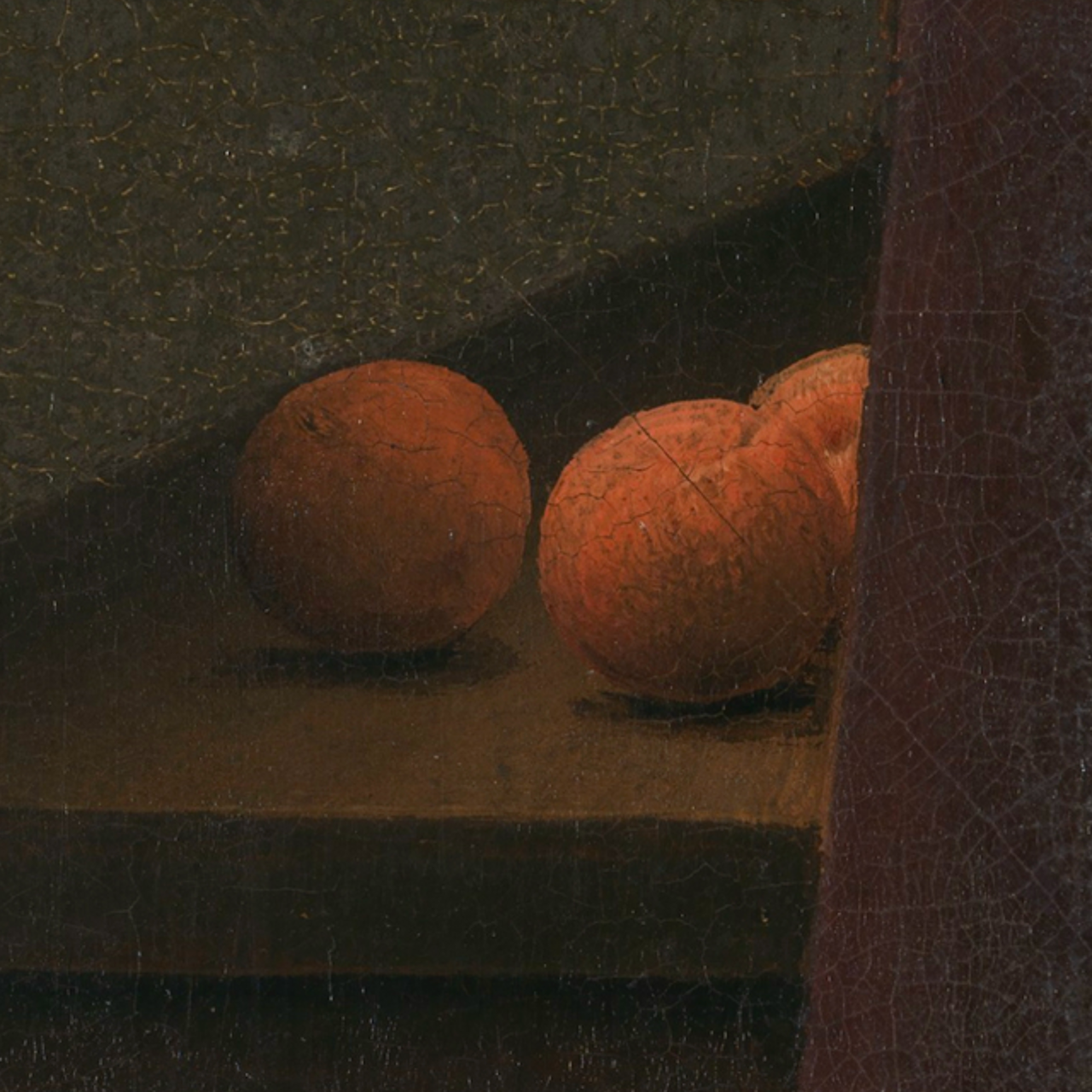
ARNOLFINI
PORTRAIT
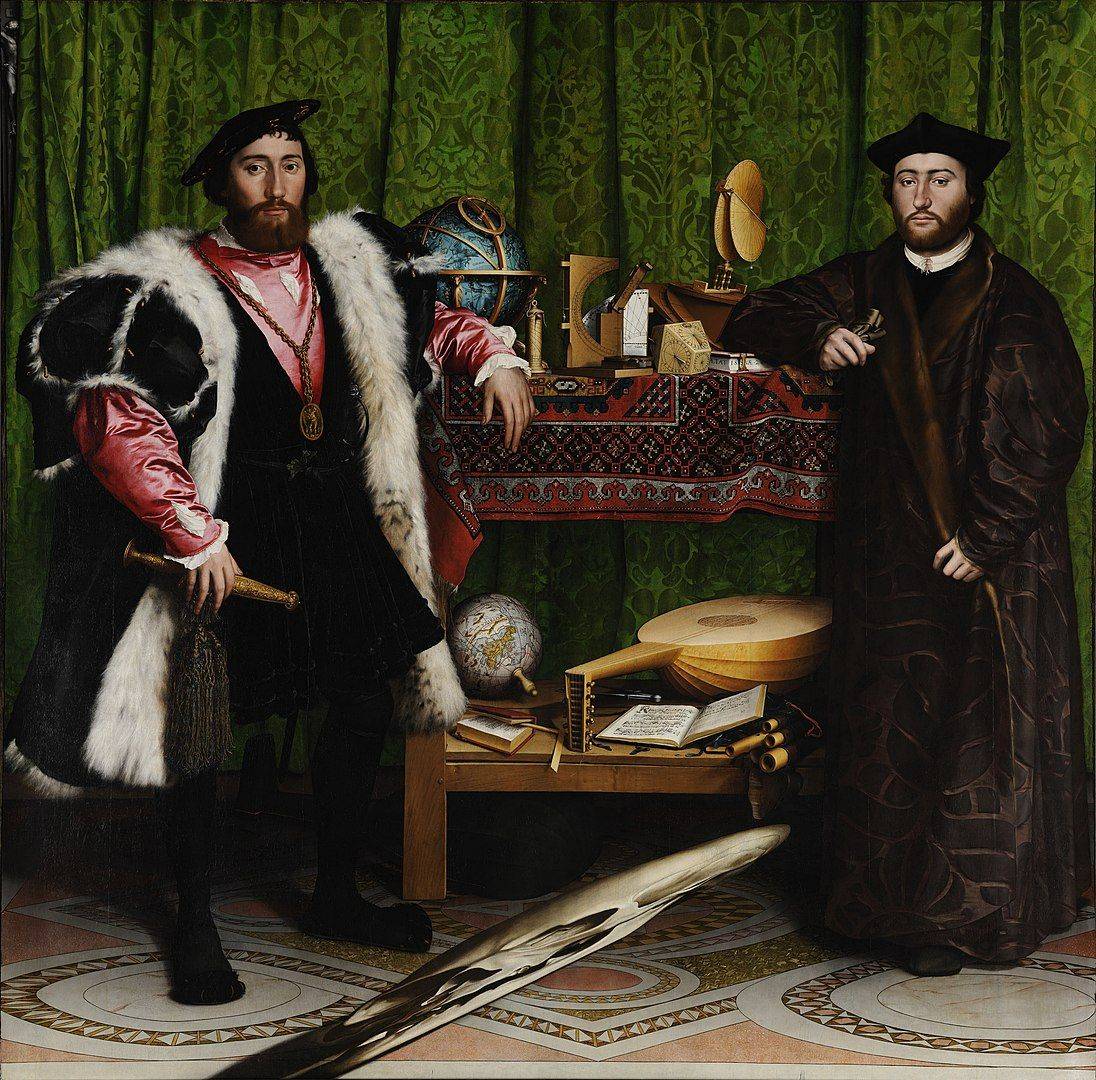
THE
AMBASSADORS
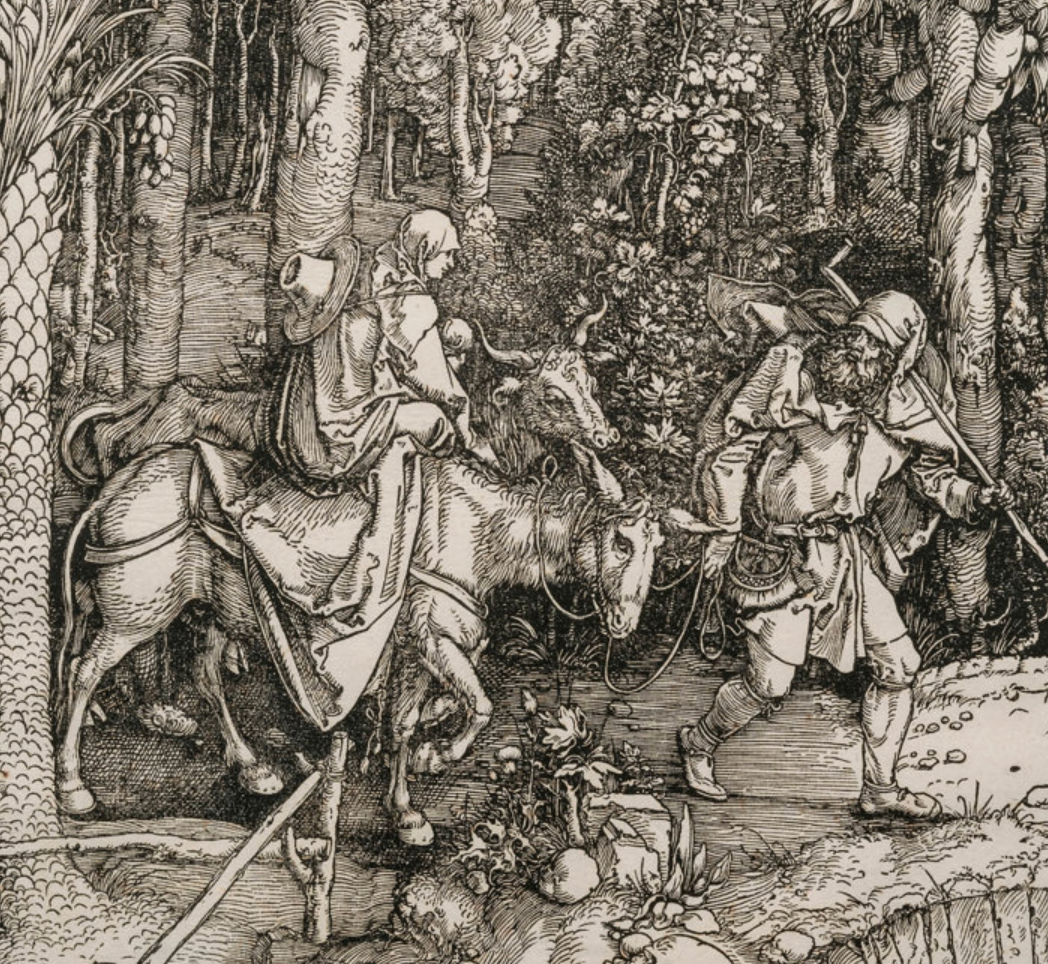
DURER
ETCHINGS
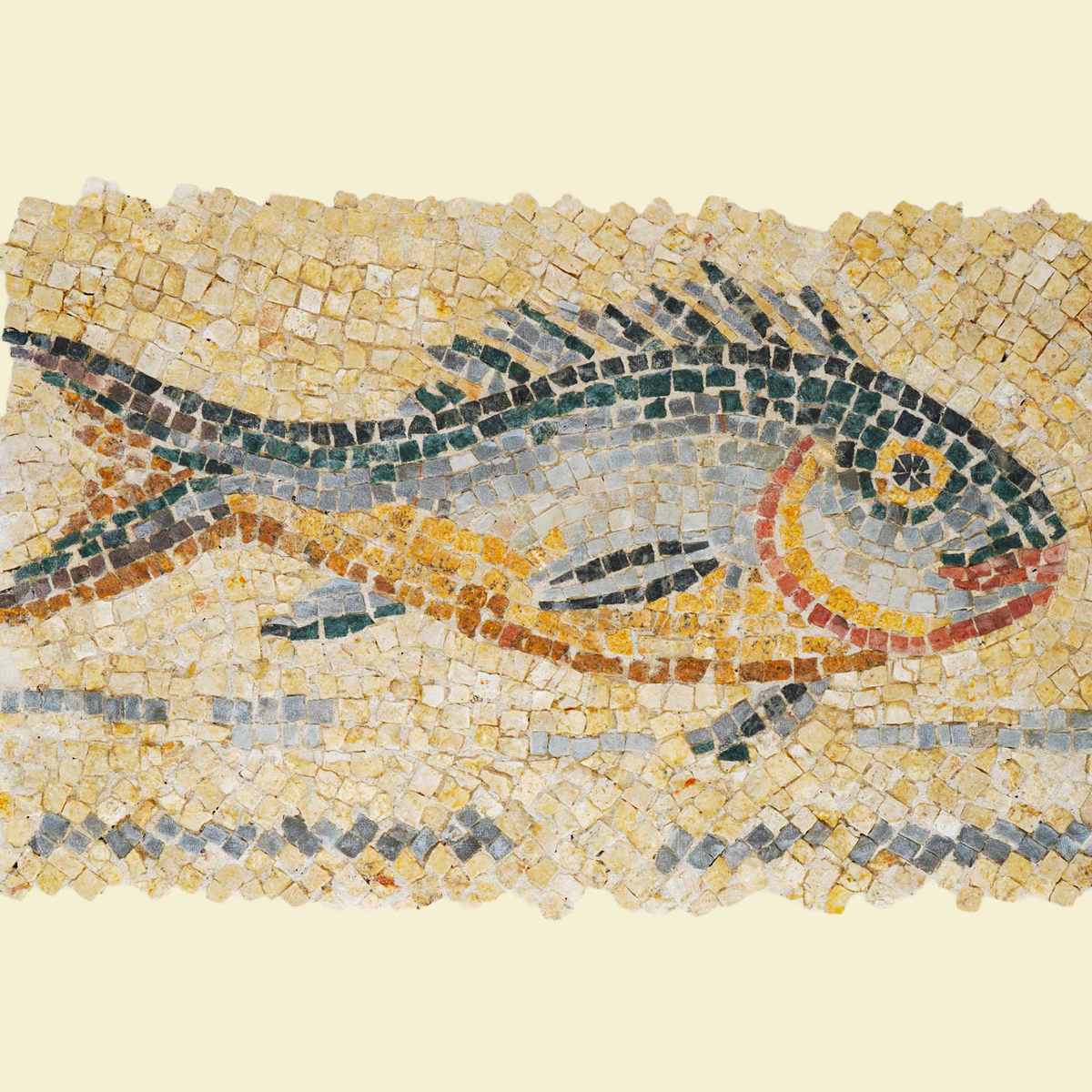
HYBRID
CREATURES
Students explore the Arnolfini Portrait by Jan van Eyck and how artists hid symbolic meaning in everyday objects. Students will focus in on one symbol from the painting, the orange, a sign of wealth and prosperity. Students make a dried orange ornament, choosing bead colors to represent something about themselves, along with a card featuring a peel-away orange that reveals a secret message inside. This project encourages symbolic thinking, an understanding of gift-giving traditions, and an introduction layering meaning into ordinary objects.
Lesson Plan | Deck
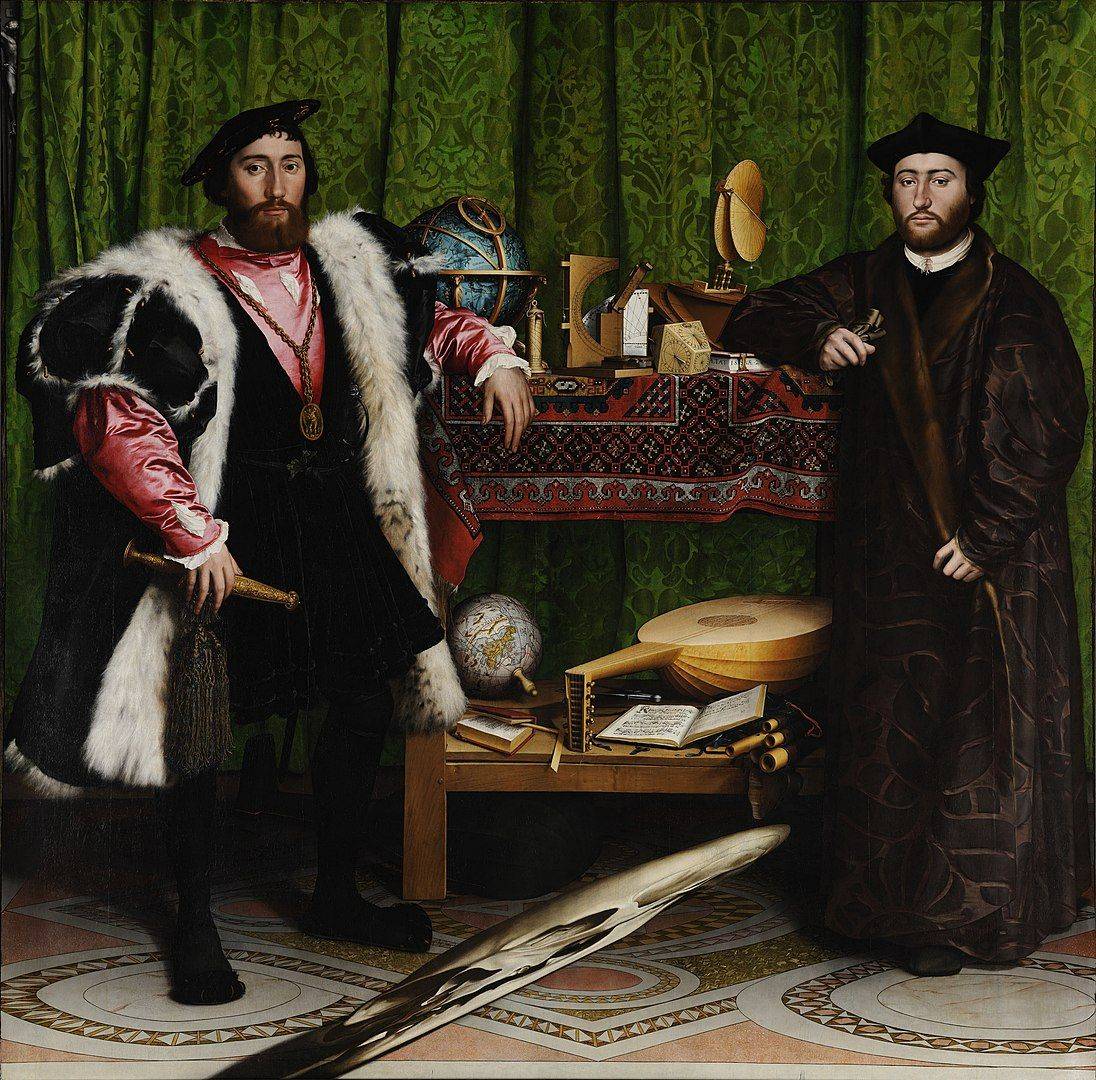
Students explore Hans Holbein's The Ambassadors and how Northern Renaissance artists filled paintings with objects that revealed a person's status, interests, and knowledge. Students receive paper with a table pre-printed in the style of the painting, then fill it in by drawing their own objects that represent who they are. This project encourages symbolic thinking, observational drawing, and an understanding of how Northern Renaissance artists used everyday objects to tell a story about a person.
Lesson Plan | Deck
Students explore Albrecht Dürer's etchings and how Northern Renaissance artists used precise, detailed line work to create prints that could be reproduced and shared widely. Students then create their own etching by pressing lines into a styrofoam plate with a pencil, rolling on paint, and printing their design onto paper. This project encourages fine motor control, an introduction to printmaking, and an understanding of how Northern Renaissance artists used line and detail to build texture and depth.
Lesson Plan | Deck
Students explore how Northern Renaissance artists like Hieronymus Bosch dreamed up fantastical hybrid creatures, combining parts of different animals, humans, and objects into strange, imaginative beings full of hidden meaning. Students then design their own hybrid creature, choosing which parts to combine and what each part might represent. This project encourages imaginative thinking, an introduction to surreal and symbolic art, and an understanding of how Northern Renaissance artists blended reality and imagination to tell a story.
Lesson Plan | Deck
Looking Closely
Explore the blog links below for engaging discussion prompts inspired by additional masterpieces from the Northern Renaissance.